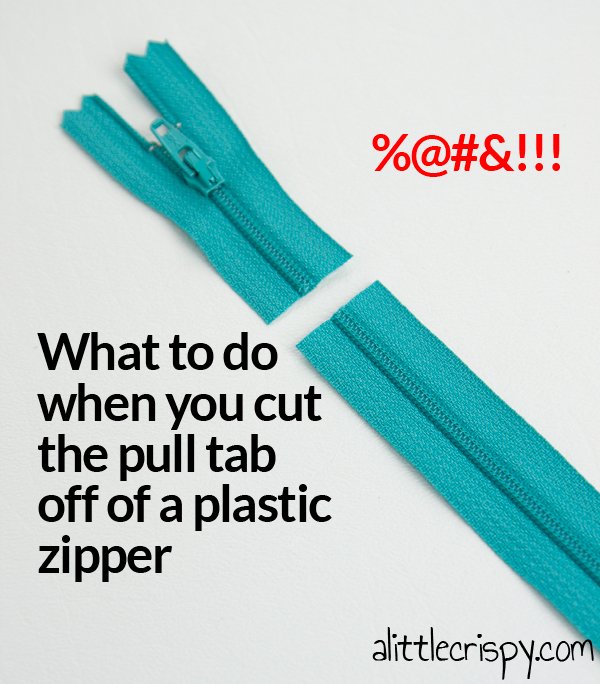
There's nothing quite as frustrating as a broken zipper. One moment, your favorite jacket is ready for an adventure; the next, its teeth are splayed open, rendering it useless. A detached zipper can make a perfectly good item feel broken beyond repair, but the good news is, most zipper mishaps are surprisingly fixable with a little know-how and the right approach.
This comprehensive guide will equip you with everything you need to know about bringing those stubborn zippers back to life. From understanding the different types of zippers to precise, step-by-step reattachment techniques, you'll gain the confidence to tackle this common problem head-on. Let's reclaim your wardrobe and accessories from the dreaded broken zipper pile!
Demystifying Your Zipper: Types and Tools for Success
Before you dive into the nitty-gritty of reattachment, it helps to understand the anatomy of a zipper and what exactly might have gone wrong. Zippers come in various forms, and identifying yours is the crucial first step to a successful repair. Whether it's the slider that's come completely off the track or a missing stopper, knowing your zipper type will dictate your repair strategy. To lay the groundwork for your repair journey, we highly recommend you start by learning to Understand zipper types and components.
Once you've identified your zipper, gathering the correct tools is the next logical step. You might be surprised by how few specialized items you'll need; often, common household tools are all it takes. From a trusty pair of needle-nose pliers to a simple graphite pencil for lubrication, having your toolkit ready will make the process much smoother. To ensure you're fully prepared, check out our guide on Zipper repair tools and materials before you begin.
Common Zipper Problems and Their Causes
Understanding why your zipper broke can often inform how you fix it. The most frequent culprit is the slider detaching from the track, often because the small metal or plastic stoppers at the top or bottom have become loose or gone missing entirely. Other issues include misaligned zipper teeth, worn-out sliders that no longer grip properly, or excessive fabric tension. A quick examination of the damage will help you determine the best course of action.
The Core Fix: Reattaching a Detached Zipper Slider
The most common and often most daunting zipper problem is when the slider completely comes off the zipper track. This usually happens at the top if the upper stoppers are missing or broken, or at the bottom on separating zippers if the insertion pin isn't guided correctly. Don't despair; reattaching a fully detached slider is a very achievable DIY fix. For a detailed walkthrough that covers the universal principles of getting that slider back on track, you'll want to read our dedicated guide on Reattaching a Zipper Slider When it has come completely undone.
Fixing Separating Zippers (Jackets, Hoodies, Coats)
Separating zippers, commonly found on outerwear, are designed to completely detach at the bottom. This unique design also means they have a specific method for reattachment. If the slider has come off your favorite jacket, you'll typically need to reinsert it from the bottom, ensuring both sides of the zipper tape align perfectly before pulling it up. Getting this right can feel like a puzzle, but with clear instructions, it’s entirely manageable. Discover the precise methods for these tricky zippers in our comprehensive Step-by-Step Guide to Reattaching a separating zipper.
Restoring Closed-End Zippers (Jeans, Bags, Pillowcases)
Unlike their separating counterparts, closed-end zippers have a permanent stop at the bottom, meaning they don't fully open. This fundamental difference dictates that if your slider has come off a pair of jeans, a handbag, or a pillowcase, you'll almost always need to reinsert it from the top. This often involves carefully removing the top stoppers to create an opening for the slider to be guided back onto the teeth. To explore all your options for getting these common zippers back in working order, consider our guide on Here are a few options for non-separating zippers.
Beyond Reattachment: Ensuring Smooth Operation and Longevity
Reattaching the slider is a huge victory, but your job isn't quite done. Once the slider is back on, it's essential to test its movement, re-secure any stoppers you might have removed, and apply lubrication if needed. Lubrication, such as zipper wax, a graphite pencil, or even a candle, can significantly reduce friction and prevent future snags. This step ensures your repaired zipper works as good as new and lasts longer.
Sometimes, despite your best efforts, a slider might be too bent or worn to grip the teeth effectively, leading to continued separation. In these cases, replacing the slider itself is often the most reliable solution. If even a new slider doesn't fix the issue, or if the teeth themselves are extensively damaged or missing, then a full zipper replacement might be necessary, either by a tailor or a more advanced DIY project. Don't forget that a simple emergency fix, like using a paperclip for a missing pull tab or a safety pin as a makeshift stopper, can save the day in a pinch!
Maintenance for Lasting Zippers
Prevention is always better than cure, even for zippers. A little regular maintenance can go a long way in preventing future breakages. Keeping zippers clean with an old toothbrush, lubricating them occasionally, and avoiding forcing snags can extend their lifespan significantly. Regularly inspecting your zippers for early signs of wear, like loose threads or slightly bent teeth, allows you to address minor issues before they become major headaches.
Fixing a broken zipper isn't just about repairing an item; it's about extending its life, saving money, and gaining a valuable skill. With the right information and a bit of patience, you can transform that frustrating broken zipper into a satisfying DIY success story. Embrace the challenge, and you'll soon be zipping with confidence!