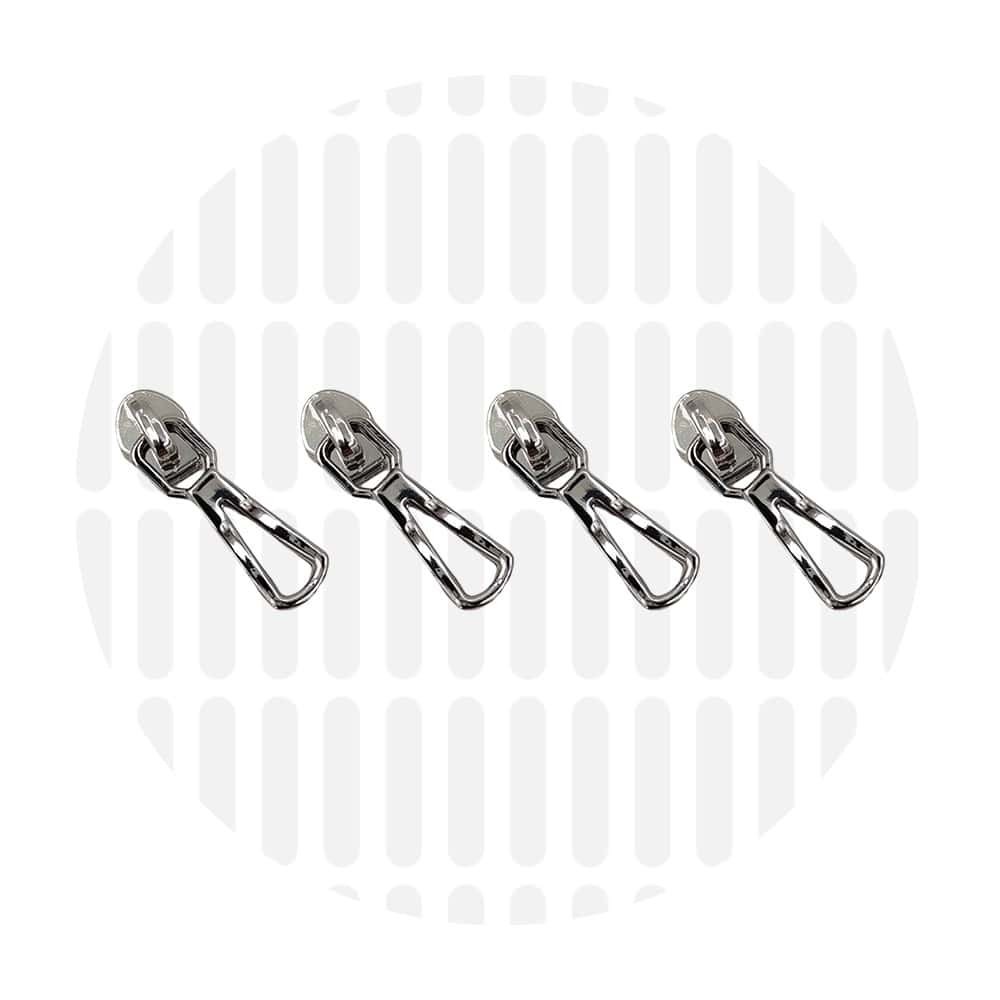
That moment when your zipper slider, the little hero of countless closures, completely abandons ship? It's universally frustrating. One minute it's doing its job, the next it's a rogue piece of metal in your hand, leaving your beloved jacket, bag, or jeans wide open and seemingly irreparable. But here's a secret: Reattaching a Zipper Slider When it's Fully Detached isn't a lost cause. It's a surprisingly achievable DIY fix that can save you money, time, and the heartache of discarding a perfectly good item.
This isn't about struggling with a stubborn zipper that just won't budge; this is about bringing the slider back from the brink when it has completely separated from the teeth and fabric tape. With a few simple tools and a bit of patience, you can restore your zipper to full working order and feel like a repair hero.
At a Glance: Your Quick Fix Guide
- Assess the Damage: Is the slider broken or just detached? Replace if it's damaged.
- Gather Your Tools: Pliers (needle-nose recommended) and appropriate zipper stops are key.
- Prepare the Track: Carefully remove a few zipper teeth at one end to create an opening.
- Reattach the Slider: Gently slide the slider onto the exposed fabric, then coax it onto the teeth.
- Test It Out: Ensure the zipper moves smoothly before securing.
- Secure the Ends: Install new top stops or a bottom stop (square tab) to prevent future escapes.
Understanding Your Zipper: A Quick Primer
Before we dive into the fix, a quick refresher on zipper anatomy helps. A standard zipper consists of:
- Zipper Teeth (or Coils): The interlocking elements that create the closure.
- Zipper Tape: The fabric strips to which the teeth are attached, sewn into your garment.
- Zipper Slider: The component that moves up and down, engaging and disengaging the teeth. It has channels that separate the teeth on one side and join them on the other.
- Stops: Small metal or plastic pieces at the top (top stops) and bottom (bottom stop) that prevent the slider from coming off the track entirely.
When your slider is fully detached, it means it has somehow slipped past the top or bottom stops and is no longer connected to the teeth. Our mission is to reverse that escape.
Is Your Slider Truly Broken, Or Just Detached?
This is your first diagnostic step. Pick up the detached slider and inspect it closely.
- Just Detached: If the slider looks perfectly intact, no bent parts, no visible cracks, and the channels feel smooth, then it's likely just slipped off. This is the ideal scenario for a repair.
- Broken Slider: If the slider is bent, visibly cracked, one of the channels is wider than the other, or it simply doesn't feel right, you'll need a replacement. Trying to force a broken slider back on will only lead to more frustration and potentially damage your zipper teeth.
When to Get a New Slider:
If your slider is damaged, a replacement is essential. You can find replacement zipper sliders at most craft stores, sewing supply shops, or online. It's crucial to match the new slider's size and style to your existing zipper. Bringing the old, broken slider (or even the garment itself) to the store is the best way to ensure you get a perfect fit. Often, zipper repair kits are available that include various slider sizes and the necessary stops. For a general overview of zipper repairs, you might find more comprehensive resources on how to reattach a zipper.
Tools of the Trade: What You'll Need
Don't let the thought of specialty tools intimidate you. For most zipper reattachments, you'll only need a few common items:
- Pliers: A small pair of needle-nose pliers is ideal. Their fine tips allow for precise tooth removal and crimping of new stops. Regular pliers can work in a pinch, but be extra careful.
- Replacement Zipper Stops: This is critical. Since your slider came off, it means the original stops failed or were missing. You'll need either:
- Top Stops: Small metal caps that crimp onto the fabric tape just above the top teeth.
- Bottom Stop (Square Tab): A larger metal piece that bridges the bottom of the zipper, covering the gap and preventing the slider from coming off.
- (Optional) Zipper Repair Kit: These kits often come with a variety of sliders and stops, which can be a good investment if you frequently encounter zipper issues.
Step-by-Step: Reattaching That Rogue Slider
This is where the magic happens. Take your time, and follow these steps carefully.
Phase 1: Preparing the Zipper Track
To get the slider back on, you need to create a temporary opening in the zipper teeth. This involves carefully removing a few teeth from one end of the zipper.
- Understand Your Starting Point: Zipper Open or Closed?
This determines which end of the zipper you'll work on and how you'll orient the slider.
- If the zipper was open (the teeth were separated) when the slider came off, you'll work at the bottom of the zipper (the end closer to the hem of a jacket or bottom of a bag).
- If the zipper was closed (the teeth were interlocked) when the slider came off, you'll work at the top of the zipper (the end closer to the collar or opening).
- Carefully Removing Zipper Teeth:
This step requires precision. You're creating a "ramp" for the slider.
- Locate your starting point: Based on step 1, identify the end where the slider would naturally start to engage or disengage.
- Grab your pliers: Using your needle-nose pliers, grip a single zipper tooth firmly near its base.
- Wiggle and pull: Gently wiggle the tooth back and forth, then pull it away from the fabric tape. It might take a little force, but avoid tearing the fabric.
- Repeat: Continue removing teeth, one at a time, until you've exposed about 2 to 3 inches (5 to 7.6 cm) of the zipper fabric tape. The goal is to expose just enough fabric to comfortably slide the slider on without it being too loose or too tight.
- Pro Tip: For smaller zippers, you might only need an inch or two (2.5-5 cm). For larger, heavier zippers, closer to 3 inches is better.
- Ensure Evenness: It's crucial that you expose roughly the same amount of fabric tape on both sides of the zipper. If one side has more exposed tape than the other, the slider will struggle to get on straight.
Phase 2: The Slider's Grand Return
Now for the main event: reattaching the slider itself.
- Orienting the Slider Correctly:
This is often where people get stuck. The slider needs to face the right way relative to the zipper's intended direction.
- If the zipper was open (working from the bottom): Slide the pull tab of the slider upside down onto the exposed fabric. This means the pull tab will be pointing away from the zipper teeth, ready to be flipped over as it goes up.
- If the zipper was closed (working from the top): Slide the pull tab of the slider right side up onto the exposed fabric. The pull tab should be pointing towards the zipper teeth, ready to pull down.
- Guiding the Slider onto the Fabric:
- With the slider correctly oriented, gently push the two exposed fabric tapes into the two channels of the slider.
- Push it up (or down, depending on your starting point) as far as it will go on the fabric tape, just before the teeth begin.
- Coaxing it onto the Teeth: The "Tug and Click" Method:
This is the moment of truth.
- Hold Firmly: Grip the garment firmly with one hand, holding the slider in place at the edge of the teeth.
- Tug the Fabric: With your other hand, take the two pieces of zipper fabric tape just above the slider (where the teeth should be). Tug them gently but firmly, pulling them away from the slider and towards the direction the zipper normally closes.
- Listen for the Click: As you tug, apply slight pressure to the slider. You should feel (and often hear) a subtle "click" as the slider's channels engage the first few zipper teeth. This indicates it's back on track.
- Check Alignment: Once you feel that click, visually inspect the slider. It should be sitting squarely on the zipper teeth, not crooked or lopsided. If it looks off, gently pull it back off the teeth (but keep it on the fabric) and try again. Precision here prevents future headaches.
Phase 3: The Crucial Test Drive
Don't skip this! Before you secure the zipper with new stops, give it a workout.
- Move the Zipper: Gently pull the slider up and down the full length of the zipper a few times.
- Observe:
- Does it move smoothly?
- Does it snag anywhere?
- Do the teeth interlock cleanly?
- Is the slider still sitting straight on the teeth?
- Troubleshoot if Needed: If the zipper is crooked, gets stuck, or doesn't move easily, it means the slider wasn't engaged perfectly. You'll need to carefully remove it from the teeth (keeping it on the fabric) and try Phase 2 again. It's often easier to start over than to try and force it.
Securing Your Zipper's Future: Top Stops vs. Bottom Stops
Congratulations, your slider is back on! But remember, it came off because the original stops failed or were missing. Now you need to install new ones to prevent a repeat performance.
Understanding the "Why": Preventing Future Escapes
Zipper stops are critical. They create physical barriers at the ends of the zipper track, ensuring the slider can't simply slide off again. The type of stop you use depends on where you've been working.
- Top Stops: Best for the top of a closed-end zipper (like a jacket or pants fly) where the slider needs to stop but the zipper still opens.
- Bottom Stops (Square Tabs): Ideal for the bottom of a separating zipper (like a jacket) or to close a gap created by missing teeth at the bottom of a regular zipper. They provide a more robust closure and often look cleaner.
Installing Top Stops
If you reattached the slider at the top of the zipper (because it was closed when it came off), you'll likely need top stops.
- Position the Zipper: Have the zipper slightly open, with the slider a few inches below the top end.
- Place the Stop: Take one top stop. It's a small, usually U-shaped metal piece. Position it right above the first intact zipper tooth on one side of the fabric tape.
- Crimp with Pliers: Use your pliers to firmly crimp the top stop onto the fabric tape and around the tooth. Squeeze hard until it's securely fastened and won't budge when tugged.
- Repeat on Other Side: Install a second top stop on the opposite side of the zipper, ensuring they are at the same level.
- Test the Slider: Gently pull the slider all the way up. It should stop firmly against the new top stops.
Installing Bottom Stops (Square Tabs)
If you reattached the slider at the bottom of the zipper (because it was open when it came off), a square tab (bottom stop) is usually the best choice. This will also cover the gap where you removed teeth.
- Close the Zipper: Fully close the zipper.
- Position the Tab: Take the square tab. It typically has two prongs on one side and a flat base. Position the tab at the very bottom of the zipper, centered over the gap where you removed teeth. The prongs should be facing the back of the garment.
- Push Prongs Through: Carefully push the two prongs through the zipper fabric on both sides, just below the last intact zipper teeth.
- Bend and Crimp: Turn the garment over. The prongs will now be sticking out on the back. Use your pliers to bend each prong inward, pressing them flat against the fabric tape. Ensure they are fully crimped down so they don't snag on anything or scratch your skin.
- Test the Slider: Open and close the zipper. The slider should come to a firm stop against the newly installed bottom tab.
Troubleshooting Common Reattachment Headaches
Even with careful steps, you might run into snags. Here are solutions to common problems:
- "The slider isn't going on straight."
- Solution: This usually means the exposed fabric tapes aren't perfectly even, or you're trying to force it. Gently remove the slider (if it's already on the teeth) or adjust the fabric tapes. Ensure the fabric tapes are perfectly aligned and equally exposed before trying to slide the slider on again. Sometimes, a tiny bit of fraying can also prevent smooth entry; trim any loose threads.
- "The zipper feels stiff or snags after reattachment."
- Solution: This might mean the slider isn't perfectly seated on the teeth, or the teeth themselves are slightly bent from the reattachment process. Try moving the slider up and down repeatedly. If it persists, you might need to try reattaching it again. A light application of zipper lubricant (like zipper wax or a graphite pencil) can also help.
- "The slider comes off again after the repair."
- Solution: This is a clear sign that your new top or bottom stops aren't installed correctly or securely enough. Recheck them. Are they crimped tightly? Are they positioned correctly at the very end of the usable zipper track? Sometimes, the wrong size stop was used. Ensure the stop is tight enough that it physically blocks the slider.
- "My pliers slipped and damaged the fabric."
- Solution: Take a deep breath. For minor fraying, a tiny dab of fabric glue (like Fray Check) can seal the edges. If the damage is significant, the zipper might need to be fully replaced by a professional, as the integrity of the tape is crucial for the zipper's function. Always use needle-nose pliers for better control.
Beyond the Fix: Maintaining Your Zippers
A successful repair is great, but regular care can prevent future issues.
- Lubrication is Key: Zippers, especially metal ones, benefit from lubrication. Use a specialized zipper lubricant, a bar of soap, or even a graphite pencil rubbed along the teeth to help the slider move smoothly.
- Handle with Care: Avoid yanking or forcing a stuck zipper. Gently work it back and forth. If it's truly jammed, investigate the cause (fabric caught, bent teeth) before applying force.
- Cleanliness Matters: Dirt, grit, and even salt can corrode metal zippers or clog plastic ones. Clean your zippers periodically with a soft brush and mild soap, then rinse and dry thoroughly.
- When to Call a Professional: While many detached sliders can be fixed at home, some situations warrant professional help. If the zipper tape is torn, many teeth are missing or broken, or the zipper is part of a complex, expensive garment, a tailor or repair shop can offer a more robust solution. They have specialized tools and replacement parts for every type of zipper.
Your Zipper Repair Toolkit: A Quick Checklist
- Small, needle-nose pliers
- Appropriate replacement zipper stops (top stops or a bottom square tab)
- Optional: Zipper repair kit (often includes various sliders and stops)
- Optional: Zipper lubricant (wax, bar soap, graphite pencil)
- Optional: Small scissors or tweezers (for stray threads)
- Optional: Fabric glue (like Fray Check) for minor fraying
Final Thoughts: Empowering Your DIY Spirit
Reattaching a zipper slider when it's fully detached might seem daunting at first, but it's a wonderfully satisfying fix. You're not just repairing an item; you're gaining a new skill, saving money, and extending the life of your belongings. Every time you smoothly zip up that repaired item, you'll have the quiet satisfaction of knowing you brought it back from the brink. So next time a slider makes a run for it, grab your pliers, channel your inner repair expert, and get that zipper back on track!