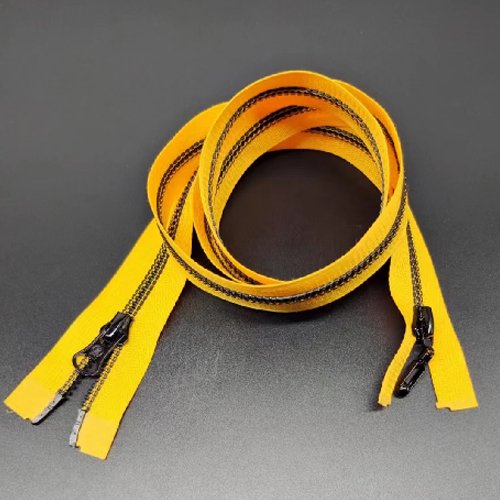
That heart-sinking moment when your trusty jacket, backpack, or favorite pair of pants suddenly refuses to zip, or worse, the slider comes completely off its tracks – it's a frustration we've all known. Often, the instinct is to declare the item beyond repair or immediately search for a tailor. But what if you could become your own zipper hero? Reattaching a non-separating zipper might seem like a mystical art, but with the right techniques, a few simple tools, and a bit of patience, you can often bring your broken zipper back to life.
This guide is your authoritative yet conversational roadmap to mastering the art of zipper repair, specifically focusing on those zippers that don't fully separate, like those found on pockets, bags, or the fly of your trousers. We'll demystify the process, equip you with essential knowledge, and walk you through actionable steps to tackle common zipper woes.
At a Glance: Your Zipper Repair Toolkit
- Diagnosis First: Understand your zipper's type (coil, plastic tooth, metal) and the specific problem (off-track, damaged slider, missing teeth).
- Essential Tools: You'll need pliers (needle-nose, vice grips), a seam ripper, scissors, flush cutters, and a needle and thread.
- Top Stops are Key: These small but mighty components prevent the slider from overshooting its boundaries. Learn to remove old ones and apply new ones.
- Strategic Tooth Removal: Sometimes, you'll need to carefully remove a few teeth to create an entry point for your slider. Safety first with goggles!
- Slider Troubleshooting: Learn how to forcefully remove a truly stuck slider and how to retrack one that's jumped the rails.
- No-Sew Fixes: Discover clever workarounds for pocket and backpack zippers that don't require breaking out the sewing machine.
- Prevention is Best: Regular cleaning and lubrication can extend your zipper's lifespan significantly.
Understanding Your Zipper's Story: Why It's Stuck (or Off Track)
Before you dive into repair, let's get acquainted with the anatomy of your zipper. Every zipper, regardless of its style, is made up of three core components: the slider (that little piece you pull), the teeth (the interlocking elements), and the tape (the fabric strips holding everything together). When one of these components malfunctions – whether it's a worn-out slider, damaged teeth, or a misaligned track – your zipper's story hits a snag.
Identifying the specific type of zipper you're working with is crucial. There are generally three main kinds:
- Coil Zippers: These have continuous coils of monofilament (often polyester or nylon) that interlock. They're flexible and common on sportswear and luggage.
- Plastic Tooth (Vislon®) Zippers: Featuring individual plastic teeth molded onto the tape, these are robust and often found on jackets and bags.
- Metal Zippers: With individual metal teeth clamped onto the tape, these are durable and classic, often seen on jeans and heavier garments.
A quick look will usually tell you what you're dealing with. This initial assessment helps you choose the right repair strategy and tools.
Essential Gear for a Smooth Repair (Tools You'll Need)
Think of your toolbox as your arsenal against zipper frustration. While some quick fixes are possible with just your hands, most effective repairs will require a few specific items. Gather these before you start:
- Needle and Thread: Opt for a color that matches your fabric or a strong, neutral thread. Essential for hand stitches or securing new stops.
- Pliers (a few types are handy):
- Needle-Nose Pliers: Perfect for fine manipulation, pulling out coil remnants, or securing small top stops.
- Vice Grips (or locking pliers): Invaluable for gripping stubborn sliders or holding components firmly in place.
- Seam Ripper: Your best friend for carefully unpicking stitches without damaging the surrounding fabric.
- Scissors: Sharp, small scissors are ideal for trimming loose threads or frayed tape.
- Flush Cutters (also called diagonal cutters): These are specifically designed for making clean, flush cuts, perfect for nipping off old top stops or individual plastic teeth.
- Safety Glasses/Goggles: Absolutely non-negotiable when cutting metal or plastic. Small pieces can fly off with surprising force.
- Lighter: For carefully singeing frayed zipper tape edges, preventing further unraveling.
- Replacement Zipper Slider (if needed): Make sure it's the correct type and size for your zipper.
- Fabric Clips or Pins: Helpful for holding fabric out of the way or securing parts during repair.
Mastering the Basics: Fundamental Zipper Repair Moves
With your tools ready, let's get into the foundational techniques that underpin most non-separating zipper repairs.
Inspecting the Problem Child
Before you touch a single tool, take a moment to closely inspect the zipper. Is the slider simply off track? Is it stuck because fabric is caught? Are some teeth damaged, missing, or bent? The diagnosis dictates the cure. Look at both sides of the zipper, inside and out. Pay attention to the top and bottom stops, as well as the path the slider takes.
Clearing the Way: Removing Factory Top Stops
To access the zipper's innards, you'll often need to remove the existing top stops. These small components prevent the slider from running right off the end.
- Identify the Type: Top stops can be coil (metal, claw-shaped), plastic tooth (hot dog bun-shaped, colored metal), or metal (small "c"-shaped). We'll dive into more detail on these crucial parts later on.
- Safety First: Don your safety glasses. This step can send small bits flying.
- Careful Cutting: If they're plastic, use your flush cutters to nip off the plastic edges, then gently peel them away. For metal stops, carefully pry them open with needle-nose pliers or snip them with flush cutters.
- Protect the Tape: Be extremely careful not to cut or damage the zipper tape itself. This fabric is what holds the teeth.
- Singe if Frayed: If the tape looks frayed after removing the stop, quickly and carefully pass a lighter flame over the edge to singe it, preventing further unraveling.
Making Room: Strategic Tooth Removal
Sometimes, getting the slider back on track requires creating a temporary "entrance ramp" by removing a few teeth. This is a delicate operation that requires precision.
- Safety Goggles On: Again, protect your eyes.
- Plastic Tooth Zippers: Use flush cutters to snip along the edge of each individual plastic tooth. Once snipped, you can usually peel the tooth away from the tape. Aim to remove 3-5 teeth to create enough space.
- Coil Zippers: This is a bit trickier. Use flush cutters to snip along the edge of the coil you want to remove. Then, using needle-nose pliers, carefully pull out the backside of each coil segment. It's like unraveling a tiny spring.
- Singe Edges: After removing teeth, the zipper tape might look a bit ragged. Use your lighter to carefully singe the frayed edges to keep them neat and prevent further damage.
When All Else Fails: Forcibly Removing a Stuck Slider
If your slider is hopelessly stuck due to corrosion, irreparable damage, or a fabric jam that won't budge, sometimes the best course of action is to break it off. This prevents further damage to the item itself.
- No Fabric Caught: Before you start, ensure there's no fabric trapped within the slider. If there is, gently steam it to soften the fibers, which might allow you to carefully pull it free.
- Grip and Twist: With your safety glasses on, clamp the top of the slider with one pair of needle-nose vice grips and the bottom with another. Make sure you have a firm, secure grip.
- Break the Diamond: The "diamond" is the central part of the slider that holds the two sides together. Use twisting and rocking motions with your pliers to break this section. It might take some force. If your grips dislodge, reattach them.
- Discard and Replace: Once the slider is broken, carefully remove the pieces. Make sure to discard them responsibly. Now, you'll need to attach a new slider. Depending on your zipper type, you might refer to specific guides for replacing a coil zipper slider or replacing a plastic tooth zipper slider.
Bringing Them Back Together: Realigning Offset Coil Zipper Sides
Coil zippers, being more flexible, can sometimes suffer from a specific problem: one side of the coil gets "bubbled" or offset, preventing the slider from moving smoothly. This technique is primarily for coil zippers.
- Approach the Problem: Move the slider as close as possible to the area where the coils are unaligned.
- Gentle Manipulation: Move the slider away from the unaligned area. Now, gently pull on the bubbled side of the zipper tape, attempting to "skip" the misaligned coils back into place.
- Repeat and Confirm: Bring the slider back down over the area to test the alignment. You may need to repeat this process several times until the skipped or bubbled section is fixed.
- A Permanent Fix: This technique, when successful, is usually a permanent repair. However, there's a slight risk of further damage to the coil. If you're hesitant, consider removing and replacing the slider as an alternative.
A Quick Handshake: Refastening Split Zippers by Hand
This is a handy technique when you need to manually close a split zipper, especially if other repairs require the zipper to be in a closed position.
- Find the Split: Locate where the zipper teeth first separated.
- Finger Manipulation: Using your fingers, carefully manipulate the individual teeth back together. Work slowly, one tooth at a time, to avoid further damage.
- Secure Progress: As you refasten sections, use a safety pin or fabric clip through the zipper tape to hold your progress and prevent the teeth from re-separating. This acts as a temporary stop.
Parallel Parking Your Slider: Retracking Onto Damaged Tape
Sometimes, a slider comes off because there's damage to the teeth or tape in a specific spot. This method helps you get the slider back on, even if the damage makes it a temporary fix.
- Clear the Damage: If there are damaged teeth or fraying tape, you'll need to remove a small number of teeth at the compromised spot (as detailed in "Strategic Tooth Removal" above). Lightly singe any fraying tape to create a clear opening.
- Maneuver the Slider: Hold the slider at an angle to the open space you've created. Think of it like parallel parking a car:
- Start by engaging one side of the zipper tape into the slider opening at an angle.
- Gently "back" the slider onto the tape.
- Once one side is partially engaged, straighten the slider and work the other side of the tape into its channel.
- It might take a few tries, but with gentle wiggling, the slider should pop back onto both sides of the tape.
- Test Carefully: Once the slider is on, gently pull it up and down a few times. If the damage is extensive, this might only be a temporary solution to get you by.
Targeted Fixes: No-Sew Strategies for Common Scenarios
Not all zipper problems require a needle and thread. Many common issues can be resolved with smart placement of replacement sliders or top stops, making them quick, no-sew fixes.
Pocket Zipper Dilemmas (Missing/Stuck Slider, No Tooth Damage)
If a pocket zipper's slider is missing or stuck, but the teeth and tape are otherwise in good shape, this is a prime candidate for a quick fix.
- Clear the Path: If the existing slider is stuck, forcibly break it off (refer to "Forcibly Removing a Stuck Slider" above).
- Create an Opening: Carefully remove a small number of teeth (3-5) from the base of the zipper (the end where the slider rests when the pocket is open). Singe any fraying. This creates an entry point.
- Introduce the New Slider: Take a new, correctly sized slider. Starting at the opening you just made, carefully maneuver the slider onto both sides of the zipper tape.
- Lock it Off: Once the new slider is on and moves freely, slide it up a bit. To prevent it from coming off the bottom again, use a metal or coil top stop, or simply secure the bottom opening with a few hand stitches. This is a fantastic alternative to a full pocket zipper replacement.
Backpack Zipper Battles (Damage in the Middle)
Backpack zippers often take a beating. If there's localized damage that causes separation or prevents sliders from moving, you can often work around it.
- Isolate the Damage: If your backpack has two sliders, move one slider to sit on one side of the damage and the other slider to sit on the opposite side. The damaged area now becomes the meeting point for your sliders.
- Refasten if Needed: If the zippers were completely separated before you moved the sliders, use the "Refastening Split Zippers by Hand" technique to bring the teeth back together.
- Retrack Sliders: If the sliders themselves came off due to the damage, retrack both sliders onto the zipper at the damaged area (using the "Retracking a Slider onto Zipper Tape" method).
- Secure with Top Stop: To reinforce the damaged section and prevent further issues, place a coil top stop directly at the damaged area, connecting both sides of the zipper tape. This method can save you from a complete backpack zipper replacement.
Jacket Zipper Woes (Separating, Damage Top/Bottom)
For non-separating jacket zippers (like on some pullovers or side zippers), damage can be tricky. But there are clever ways to adapt.
- Technique #1 (Damage on Bottom Half): From Full Zip to Half-Zip
- Move Slider: Bring the slider up to sit above the damaged area.
- Connect & Stop: Apply a coil top stop just above the damage, and another coil top stop just below the damage. Crucially, ensure these stops connect both sides of the zipper tape.
- New Reality: Your jacket now functions as a half-zip pullover, with the damaged section permanently closed. This technique also works wonders for damaged zipper boxes or pins, saving you from a full zipper line replacement.
- Technique #2 (Damage on Top Half): A Slightly Shorter Zip
- Move Slider: Bring the slider down to sit below the damaged area.
- Apply Top Stops: Place two coil top stops at the damaged area—one on each side of the zipper tape. Do not connect them across the tape.
- New Reality: The jacket will still zip, but it won't go all the way up to the very top. This is another pragmatic alternative to a complete zipper line replacement.
More Pocket Zipper Predicaments (Damage Above/Below Halfway)
Pockets are used constantly, making them prone to wear and tear.
- Technique #1 (Damage Below Halfway): Maintain Pocket Access
- Move Slider: Position the slider above the damaged area.
- Connect & Stop: Use a coil top stop to connect both sides of the zipper tape directly at the damaged spot.
- Check Access: Ensure that the remaining opening is still large enough for the user to comfortably fit their hand into the pocket.
- Technique #2 (Damage Above Halfway): Limited Closure
- Move Slider: Position the slider below the damaged area.
- Individual Stops: Add coil top stops to both sides of the zipper tape at the damaged area, but keep them separate (don't connect them across the tape).
- Manage Expectations: Warn the user that the pocket cannot close fully past this point. If the damage is extensive and keeping the pocket closed is paramount, you can use additional top stops to permanently close the entire pocket opening. Again, these methods offer quick fixes before considering a pocket zipper replacement.
The Unsung Heroes: Zipper Top Stops and How to Use Them
Top stops are tiny but mighty components that play a critical role in controlling your zipper's movement. Understanding and correctly applying them is fundamental to many repairs. They prevent the slider from ever coming off the zipper track, and yes, they can be placed anywhere on the track, not just the very top.
Here's a breakdown of the types:
- Coil Top Stops:
- Appearance: Small, metal, claw-shaped, typically with three prongs (two on one side, one on the other).
- Application: You'll puncture the zipper tape with the prongs and then use your needle-nose pliers to wrap the prongs securely into the zipper coil.
- Alternative: For coil zippers, a simple, strong hand stitch can also serve as an effective top stop if you don't have metal ones.
- Plastic Tooth (Vislon®) Top Stops:
- Appearance: Colored metal, shaped like a miniature hot dog bun.
- Application: These are designed to clamp onto a toothless area of the zipper tape. You'd typically remove a couple of teeth first, then squeeze the stop firmly with pliers.
- Crucial Note: These particular top stops are not effective at preventing plastic tooth sliders size 5 and larger from sliding off. For these larger plastic tooth zippers, you should always use metal top stops for reliable security.
- Metal Top Stops:
- Appearance: Small, "c"-shaped metal pieces.
- Application: Like plastic tooth stops, these clamp onto a toothless area of the zipper tape. They work equally well on both metal and plastic tooth zippers. Squeeze them firmly with pliers until they securely grip the tape.
Beyond the Fix: Keeping Your Zippers Happy and Healthy
You've successfully reattached your zipper – congratulations! But why wait for the next malfunction? A little proactive care can significantly extend the life of your zippers.
Battling Corrosion (for Metal Zippers)
Metal zippers, especially on outdoor gear or items exposed to the elements, are prone to corrosion from salt water and air.
- Prevention: The best defense is a good offense. Regularly wash items that frequently come into contact with salt water. Rinse thoroughly with fresh water after each exposure.
- Minor Fix: For zippers that are slightly seized by corrosion, try rubbing them with Coca-Cola (the acid helps dissolve rust) or rubbing alcohol. Follow up with a good rinse and lubrication.
- When to Replace: If corrosion has caused the slider to warp or if teeth are crumbling, it's usually time for a full replacement. If the zipper frequently gets stuck despite cleaning and lubrication, it's also a strong sign of wear. Sometimes, when zipper teeth and tape are extensively damaged, a full zipper line replacement is the only lasting solution.
General Zipper Maintenance
- Cleanliness is Key: Regularly clean your zippers with mild soap and water. Dirt, sand, and grime are common culprits for sticky zippers.
- Lubrication: A little lubrication goes a long way. Zipper wax, silicone spray, or even a graphite pencil rubbed along the teeth can help sliders glide smoothly.
- Avoid Force: Never, ever force a stuck zipper. This is the quickest way to bend teeth, break sliders, or rip tape. Investigate the cause of the jam and address it gently.
Fabric Compatibility and Quick Patches
Most zipper repair processes apply universally to various fabrics, from denim to synthetic blends. However, always exercise extra care when working with delicate materials like silk or fine knits.
For very minor issues or for a truly temporary fix, you might hear about using fabric glue or zipper tape. While these can sometimes hold a small tear or provide a band-aid solution, they are generally not long-term fixes and won't stand up to the rigorous demands of a fully functional zipper. Stick to the mechanical repairs for lasting results. For a more comprehensive understanding of various zipper issues and their solutions, you can consult our master guide to reattaching zippers.
Wrapping Up Your Zipper Repair Journey
You now possess the knowledge and practical techniques to tackle some of the most common non-separating zipper dilemmas. From diagnosing the problem to skillfully retracking a slider or applying a strategic top stop, you're empowered to extend the life of your beloved gear. Remember, practice makes perfect, and each successful repair builds your confidence.
Don't let a broken zipper condemn an otherwise perfectly good item to the landfill or the back of the closet. With a little patience and the right approach, you can restore functionality, save money, and gain a satisfying sense of accomplishment. Keep your tools handy, maintain your zippers proactively, and you'll be ready for whatever snag life throws your way.