A jolt of frustration. A broken zipper. We’ve all been there. It’s that moment when a seemingly small component threatens to render an entire garment, bag, or piece of gear useless. But what if most of these exasperating snags and breakdowns could be sidestepped with a little proactive effort? This comprehensive guide offers Tips for Zipper Maintenance to Prevent Future Issues, turning you into a zipper whisperer and ensuring your essential items stay functional and stylish for years to come.
Forget wrestling with sticky slides or facing the dreaded gap-tooth grin of a failed fastener. Mastering the art of zipper care isn't just about avoiding an immediate headache; it's about extending the lifespan of your cherished belongings, from rugged outdoor jackets to designer handbags. Let's unlock the secrets to zipper longevity.
At a Glance: Your Quick Zipper Fix Handbook
- Keep 'Em Clean: Regularly brush away dirt, lint, and debris to ensure smooth operation.
- Lubricate Smartly: Use graphite for metal zippers, soap/wax for plastic, and specialty lubricants for demanding gear.
- Never Force It: Investigate snags gently; forcing a zipper causes irreparable damage.
- Store Thoughtfully: Keep zippers partially open to relieve stress on the slider and teeth.
- Handle Gently: Zip slowly and deliberately, especially over bulky areas.
- Inspect Often: Catch early signs of wear like bent teeth or a loose slider before they escalate.
- Choose Wisely: Opt for durable zipper materials and high-quality sliders when buying new products.
- Know When to Call a Pro: Don't hesitate to seek expert repair for complex damage or valuable items.
Beyond the Frustration: Understanding Zipper Vulnerabilities
Before we dive into the 'how-to,' it's helpful to understand why zippers fail. They might seem simple, but these marvels of engineering face a constant barrage of stress and wear. Common culprits include:
- Getting Stuck: Often due to fabric caught in the teeth or slider, or a build-up of grime and corrosion.
- Teeth Not Meshing: This leads to separation, usually indicating bent teeth or a worn slider that can no longer properly align them.
- Missing Teeth: Can occur under extreme stress, from snags, or simply from prolonged wear, making the zipper irreparable without replacement.
- Broken Sliders: The most frequent issue. Sliders can bend, break, or lose their tension, causing the zipper to not stay closed. This is often a sign of wear, poor manufacturing, or excessive force.
- Not Staying Closed: Primarily a slider problem, indicating it’s lost its grip or was poorly manufactured to begin with.
Understanding these pain points empowers you to take targeted preventative action, which is where effective zipper maintenance truly shines.
The Lifeline of Longevity: Essential Zipper Maintenance Practices
Think of zipper maintenance not as a chore, but as an investment in the items you rely on. A few simple habits can dramatically extend the life and functionality of your zippers.
Keep It Sparkling Clean: The Foundation of Smooth Operation
Dirt, dust, lint, and even tiny threads are the arch-nemeses of a smooth-gliding zipper. Over time, these particles accumulate between the teeth and within the slider mechanism, creating friction and resistance. This friction is what makes a zipper feel "sticky" and eventually leads to wear and tear on the components.
How to Clean:
- Regular Brushing: For most zippers, a soft brush (an old toothbrush works wonders) is your best friend. Gently brush along both sides of the zipper teeth, paying special attention to the areas where the slider typically rests.
- Wipe Down: After brushing, use a damp cloth to wipe away any loosened debris. For outdoor gear or items exposed to mud and sand, a more thorough rinse with plain water might be necessary, followed by air-drying.
- Targeted Cleaning: For stubborn grime or corrosion on metal zippers, a cotton swab dipped in rubbing alcohol can help, but always test on an inconspicuous area first to ensure it doesn't affect the surrounding fabric. Ensure the zipper is completely dry before attempting to zip.
This simple cleaning ritual, especially for frequently used bags and outdoor equipment, prevents the initial build-up that leads to bigger problems.
Grease the Gears (Figuratively): Lubrication for Every Zipper Type
Once clean, lubrication reduces friction, allowing the slider to move freely without stress. The type of lubricant depends on the zipper material.
- For Metal Zippers: Your best tool is a common graphite pencil. Rub the tip along both sides of the zipper teeth. The graphite acts as a dry lubricant, creating a slippery surface that allows the slider to glide effortlessly. This is particularly effective for jeans, jackets, and luggage.
- For Plastic Zippers (Nylon Coil or Visilon): Avoid graphite, as it can be messy and less effective. Instead, opt for household items like a bar of soap or a candle. Rub the soap or candle wax along the zipper teeth. The waxy residue provides a smooth, low-friction path. Just make sure the soap is dry.
- For Heavy-Duty or Outdoor/Sportswear Zippers: These often face harsh conditions (saltwater, extreme temperatures, sand). Specialized zipper lubricants, often sold in stick or liquid form, are designed for superior performance and corrosion resistance. Look for products specifically marketed for marine, dive, or outdoor gear. They often contain silicone or wax-based formulas that protect against moisture and grit.
- For Zippers Exposed to Water: If your outdoor gear or wetsuit has a plastic zipper, consider a silicone-based spray or stick specifically designed for waterproof zippers. These not only lubricate but also help maintain the water-resistant properties.
Lubricate your zippers a few times a year, or more frequently for high-use items or those exposed to challenging environments. You’ll immediately notice the difference.
The Gentle Touch: When Force Fails (and Damages)
This is perhaps the most crucial tip: never force a stubborn zipper. When a zipper resists, it's a clear signal that something is wrong. Forcing it is the quickest way to bend teeth, break the slider, or even rip the surrounding fabric.
What to Do Instead:
- Stop Immediately: Don't pull harder.
- Investigate: Gently inspect the zipper path. Is fabric caught between the teeth? Often, a small piece of lining or a loose thread is the culprit. Carefully pull the fabric away, or use tweezers if necessary.
- Check Alignment: Are the zipper teeth bent or misaligned? Sometimes, very gently bending a misaligned tooth back into place with pliers can resolve the issue, but proceed with extreme caution to avoid breakage.
- Try Again (Gently): Once the obstruction is cleared, try zipping slowly. If it still resists, re-clean and re-lubricate. If you're still struggling, you might benefit from learning how to effectively troubleshoot and tackling common zipper repairs yourself.
Patience and a gentle hand will save you countless repairs or replacements.
Smart Storage, Happy Zippers
How you store items with zippers can also impact their longevity. A simple but effective tip is to store garments and bags with their zippers partially open.
- Reduce Stress: Leaving a zipper fully zipped, especially on items that are tightly packed or frequently moved, puts constant tension on the slider and the uppermost teeth. This can lead to the slider losing its tension or the teeth bending over time.
- Prevent Distortion: For items like boots or luggage that might be stored for extended periods, partially opening the zipper prevents it from being stretched or distorted along with the surrounding material.
It’s a small habit, but it helps preserve the zipper’s structural integrity.
Handle with Care: Everyday Habits That Make a Difference
Beyond dedicated maintenance, how you interact with your zippers daily plays a significant role in their lifespan.
- Zip Slowly and Deliberately: Rushing can lead to snagging fabric or putting undue stress on the slider. A slow, steady motion is always best.
- Support the Fabric: When zipping over bulky areas (like the waistband of jeans or thick layers on a jacket), use your free hand to guide the fabric and ease the tension on the zipper.
- Avoid Overstuffing: Overpacking bags or clothes puts immense pressure on zippers, making them prone to bursting open or breaking. If it feels too tight to close easily, it probably is.
- Keep Pull Tabs Intact: Many zippers fail because the pull tab breaks, leading users to yank directly on the slider, which isn't designed for that kind of stress. If a pull tab breaks, replace it promptly with a keyring or a cord loop.
These mindful actions can significantly contribute to extending the overall life of your garments and gear.
The Early Bird Gets the Smooth Zip: Regular Inspections
Just like checking your car's tires, regularly inspecting your zippers can catch small problems before they become big, irreversible failures.
- Look for Bent or Damaged Teeth: Even a slightly bent tooth can cause a zipper to snag or separate. Use small pliers to gently correct minor bends, being extremely careful not to break the tooth.
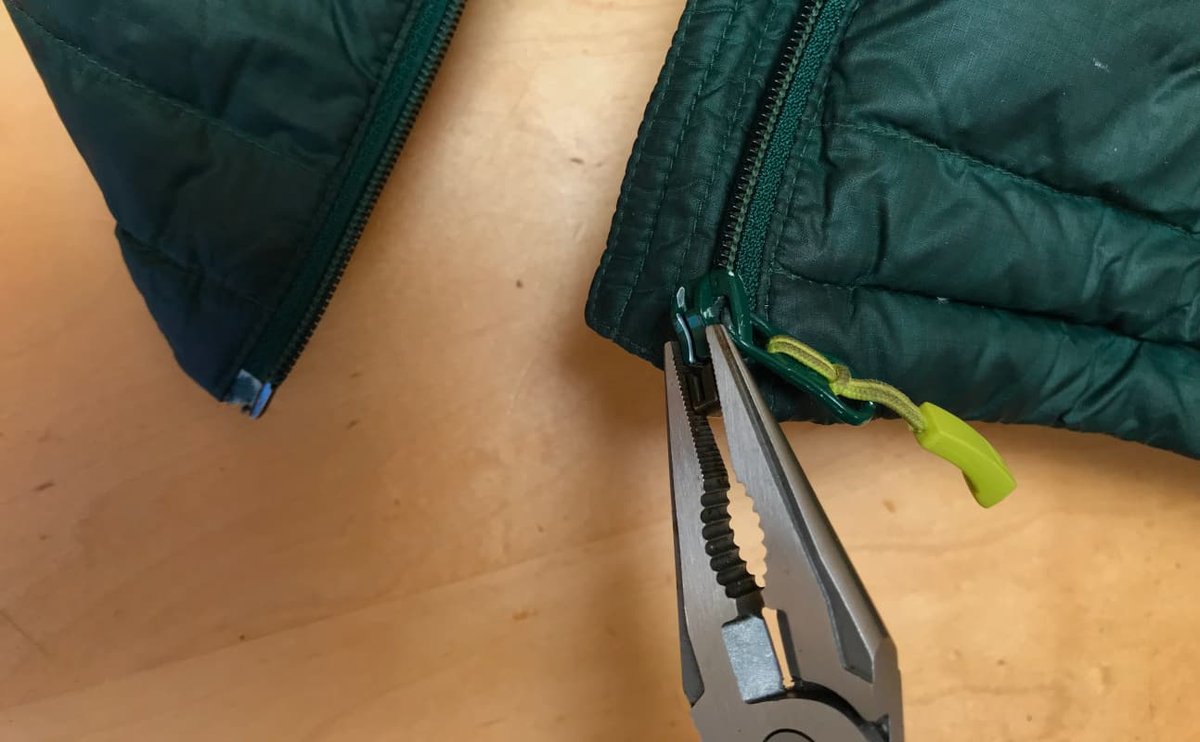
- Check the Slider's Grip: If a zipper isn't staying closed, the slider might have widened. A common DIY fix is to gently compress the sides of the slider with pliers, restoring its tension. (Learn more about how to reattach zippers if your slider has come completely off its track).
- Examine the Stopper: The top and bottom stoppers prevent the slider from coming off. Ensure they are securely in place and not loose or damaged.
- Inspect the Fabric Tape: Look for fraying or damage to the fabric tape that holds the zipper teeth. If the tape is compromised, the zipper's integrity is at risk.
Early detection allows for minor adjustments that can save the entire zipper.
When to Call in the Pros: Recognizing Beyond DIY Repair
While many minor zipper issues can be fixed with DIY methods and proper maintenance, some problems warrant professional attention. Knowing when to hand over your item to an expert can save you money in the long run and protect valuable possessions.
Consider professional repair or replacement if:
- Multiple Missing Teeth: If more than a few teeth are gone, especially in a critical area, a full zipper replacement is usually necessary.
- Damage to Surrounding Fabric: If the zipper has ripped the fabric around it, a professional can often repair the fabric alongside the zipper replacement, ensuring a clean, durable fix.
- Broken Slider, Beyond Repair: While many sliders can be fixed or replaced, some are simply too damaged or integrated into the garment to be easily swapped out.
- Expensive or Delicate Items: For high-end garments, designer bags, vintage pieces, or delicate fabrics, the risk of a DIY mistake often outweighs the cost of professional service.
- Vintage or Specialty Zippers: Unique or antique zippers may require specific parts or specialized techniques that only an experienced repair service can provide.
- You're Simply Uncomfortable: If you don't feel confident tackling a repair, it's always best to defer to someone with experience.
Services like Nimble Needle, mentioned in our research, offer specialized repair and replacement for a wide range of items, including jackets, coats, dresses, bags, luggage, and even upholstery. Their expertise can ensure your item gets a new lease on life.
Building for Resilience: How to Choose (and Create) Better Zippers from the Start
Preventative maintenance is crucial for existing items, but for consumers and manufacturers alike, making smart choices at the point of purchase or design can dramatically enhance long-term zipper performance.
Choosing Your Armor: The Right Zipper for the Job
Not all zippers are created equal. Their materials, design, and slider quality are paramount to their durability.
- Material Matters:
- Metal Zippers: Often made from brass, aluminum, or nickel. They are robust, durable, and offer superior longevity and resistance in high-stress areas like jeans, heavy coats, and workwear. They are also less prone to snagging fabric compared to coils.
- Plastic/Nylon Zippers (Coil or Visilon): Lightweight, flexible, and often more cost-effective. High-quality nylon or plastic zippers can offer good resistance to fabric catching. They are ideal for lighter clothing, backpacks, and items where flexibility is key.
- Reinforced Nylon: Some nylon zippers are specifically reinforced for added strength, bridging the gap between standard plastic and metal.
- Design for Durability:
- Wider Teeth: Zippers with larger, wider teeth (especially on coil types) are generally more robust and less likely to snag or bend compared to very fine teeth.
- Reinforced Edges: Look for zipper tapes with reinforced edges, which prevent fraying and provide a stronger anchor for the teeth.
- Slider Quality is King: The slider is the most common point of failure.
- Metal Sliders: Generally more durable than plastic ones, especially for high-use items.
- High-Tension or Auto-Lock Sliders: For zippers that struggle to stay closed, these sliders are engineered with internal mechanisms that grip the teeth more securely, preventing accidental opening. This is especially useful for pants, bags, or items where security is important.
- When making a purchase, understanding selecting quality zippers for new purchases can make a significant difference.
Tailoring Zippers to Their World: Industry-Specific Solutions
Different products demand different zipper characteristics. Manufacturers, in particular, should consider the end-use environment.
- Heavy-Duty Products: Jeans, work boots, heavy coats, and outdoor gear thrive with robust metal zippers.
- Lightweight Clothing and Bags: Skirts, dresses, light jackets, and everyday bags are well-suited for nylon coil zippers due to their flexibility, lighter weight, and smoother feel.
- Outdoor Products & Moisture Exposure: Tents, rain jackets, wetsuits, and marine equipment require waterproof and corrosion-resistant zippers. These often feature coated teeth or specialized materials to repel water and resist rust from salt or humidity.
- High-End Garments: For a seamless aesthetic, invisible zippers are often chosen, carefully integrated into seams to be almost undetectable.
- Medical and Safety Equipment: Items like protective suits or specialized gear demand zippers that meet stringent safety requirements, such as fire-resistant or chemical-resistant zippers.
Understanding understanding different zipper types allows for more informed design and purchasing decisions.
The Unseen Quality: Supplier Standards and Innovation
Beyond the visible zipper, the source matters. For manufacturers, partnering with suppliers who maintain rigorous quality control is non-negotiable. Inconsistencies in manufacturing, even subtle ones, can lead to frequent failures and customer dissatisfaction.
Furthermore, the world of zippers is always evolving. Innovative technologies, such as zippers made from high-strength synthetic materials for military uniforms or those with advanced fire-resistant properties for firefighting gear, continue to push the boundaries of durability and functionality in specialized applications. For consumers, this translates to improved product performance over time.
Your Zipper FAQs Answered
Here are quick answers to some common questions about zipper care:
Q: Can I use WD-40 or other oil-based lubricants on my zippers?
A: It's generally not recommended. WD-40 is a penetrant, not a long-term lubricant, and its oiliness can attract dirt and grime, leading to more problems over time. It can also stain fabric. Stick to graphite, wax, or specialized zipper lubricants.
Q: My zipper is separating even after lubrication and cleaning. What now?
A: This usually indicates a problem with the slider (it's too wide or worn out) or bent teeth. Try gently compressing the slider with pliers as a DIY fix. If that fails, professional repair or replacement of the slider (or the entire zipper) is likely needed.
Q: How often should I clean and lubricate my zippers?
A: For frequently used items (daily bags, often-worn jackets), every 2-3 months is a good guideline. For less frequently used items, once or twice a year is usually sufficient. Outdoor gear or items exposed to harsh conditions should be cleaned and lubricated after each significant use.
Q: Can a broken zipper pull tab be fixed?
A: Absolutely! This is one of the easiest fixes. You can easily attach a small keyring, a paperclip (as a temporary solution), or a piece of cord or paracord to the slider's loop to create a new pull tab. Many hardware stores also sell replacement zipper pulls.
Q: Is there any way to fix a zipper with missing teeth?
A: If only one or two teeth are missing at the very end (top or bottom) and the zipper still functions, you might be able to add a new stopper to prevent the slider from reaching the gap. However, if teeth are missing in the middle, or multiple teeth are gone, a full zipper replacement is almost always necessary as the structural integrity is compromised.
Your Next Step: Mastering Zipper Care for a Seamless Life
From the slight resistance of a jacket zipper on a chilly morning to the complete breakdown of a favorite luggage fastener, zipper issues are universally frustrating. But they don't have to be inevitable. By embracing these straightforward tips for zipper maintenance, you're not just preventing future issues; you're actively preserving your belongings and investing in their longevity.
Take a few moments today to inspect and care for the zippers on your most used items. A little cleaning here, a touch of lubrication there, and a commitment to gentle handling can make all the difference, ensuring your zippers remain smooth, reliable, and invisible workhorses in your everyday life. You'll be amazed at how a small amount of attention can prevent a world of future snags and breakdowns.