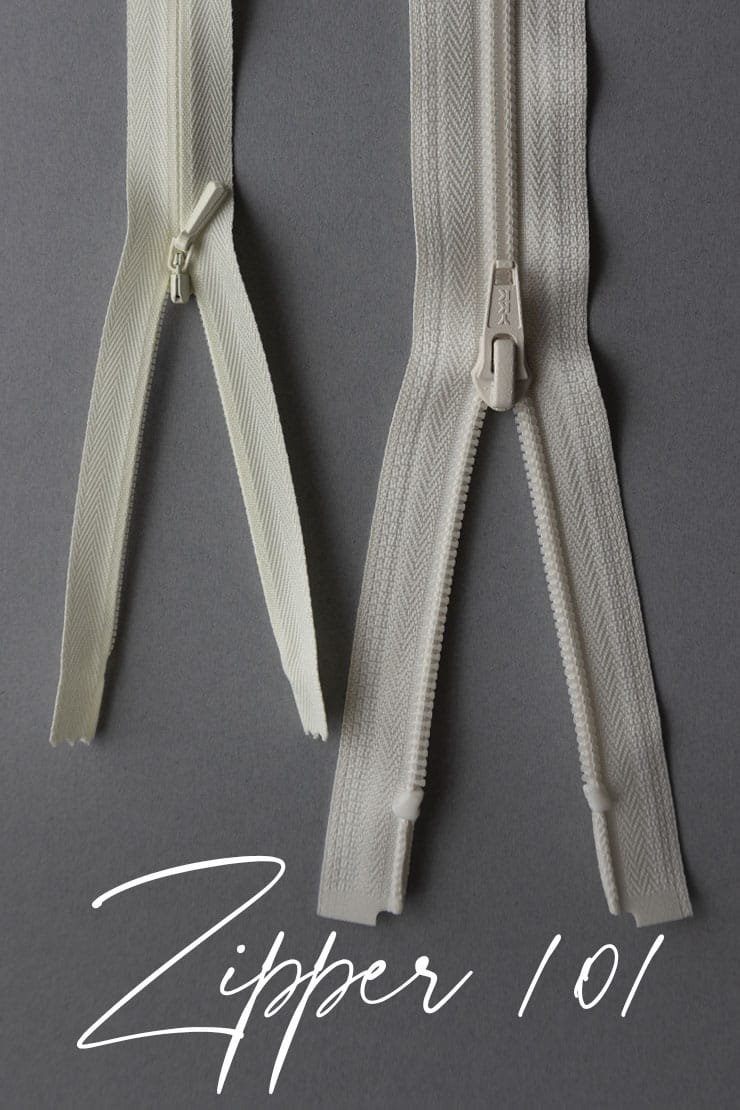
Ever stopped to truly appreciate the humble zipper? Probably not. It's one of those marvels of everyday engineering we take completely for granted—until it jams, breaks, or just doesn't quite suit the task at hand. But beneath that often-overlooked surface lies a fascinating world of design, material science, and functional variations. Understanding different zipper types and components isn't just for designers or manufacturers; it's essential for anyone who wants to make informed choices about clothing, bags, outdoor gear, or even simple repairs. It can be the difference between a durable, functional item and one that quickly becomes frustrating.
This guide will pull back the curtain on everything you need to know, from the basic anatomy of a zipper to the distinct characteristics of metal, plastic, and coil types, helping you choose the perfect closure for any application.
At a Glance: Your Zipper Essentials
- Zippers aren't all the same: They come in distinct types (metal, coil, molded plastic) each with unique strengths.
- Key components matter: The slider, teeth, and tape all play critical roles in a zipper's function and durability.
- Application dictates choice: Heavy-duty needs call for metal, flexibility for coil, and weather resistance for molded plastic.
- Invisible zippers offer aesthetics: They're designed to disappear, perfect for formal wear.
- Proper care extends life: A little maintenance can prevent frustrating zipper failures.
The Anatomy of a Zipper: More Than Meets the Eye
Before we dive into the different types, let's dissect the common parts that make up almost every zipper. Knowing these terms will help you understand how they work and why specific designs are better suited for certain tasks.
The Essential Elements
Every zipper, no matter its type, relies on these core components to function:
- Zipper Tape: This is the fabric strip that forms the foundation of the zipper. Usually made from polyester, cotton, or a blend, the tape provides the base onto which the teeth are attached. Its strength, weave, and flexibility are crucial for the zipper's overall performance and how it integrates with the product it's sewn into.
- Teeth (Elements): These are the interlocking components that create the closure. Whether they're metal, plastic, or a continuous coil, the teeth are precisely designed to mesh together, forming a secure bond when pulled by the slider. The size and material of the teeth are primary indicators of a zipper's strength and intended use.
- Slider: This is the part you grab to open and close the zipper. The slider's internal mechanism guides the teeth into alignment, interlocking or separating them. Sliders come in various designs—auto-lock, non-lock, and reversible—each serving specific functional needs. The pull tab is attached to the slider, offering leverage.
- Pull Tab: The small handle attached to the slider. While seemingly minor, the pull tab greatly affects usability, especially when wearing gloves or needing quick access. They can be simple metal, plastic, or even decorative.
- Stops (Top and Bottom): These are crucial small pieces that prevent the slider from coming off the tape at either end.
- Bottom Stop: A fixed piece at the bottom of a closed-end zipper, preventing the slider from detaching.
- Top Stops: Two fixed pieces, one on each side of the zipper tape, at the top of a closed-end zipper.
- Retainer Box & Insertion Pin: For separating (open-ended) zippers, the retainer box at one end receives the insertion pin from the other side, allowing the two halves to completely detach.
Deciphering Zipper Types: Main Categories Explained
The world of zippers can be broadly categorized into three main types based on the material of their teeth: coil, molded plastic, and metal. Each offers distinct advantages and is best suited for particular applications.
1. Coil Zippers (Nylon Coil Zippers)
Often called nylon coil zippers, these feature teeth made from a continuous coil of nylon or polyester monofilament. This coil is sewn directly onto the zipper tape, creating a highly flexible and lightweight closure.
- Characteristics:
- Flexible and Lightweight: The coiled structure makes them incredibly adaptable to curved designs and reduces bulk.
- Corrosion-Resistant: Ideal for outdoor gear, sportswear, and marine applications where exposure to moisture is common.
- Smooth Operation: The smooth nature of the coil teeth often results in a snag-free slide.
- Versatile: Available in a vast array of sizes (gauge), colors, and finishes.
- Common Uses: Apparel (dresses, jackets, skirts), luggage, tents, backpacks, sleeping bags, and anything requiring a lightweight, flexible, and often hidden closure.
- Expert Insight: Lenzip notes that coil zippers are "highly flexible, making them suitable for curved applications" and "resistant to corrosion, ideal for outdoor use."
2. Molded Plastic Zippers
Molded plastic zippers are produced by injecting molten plastic (typically polyacetal resin) directly onto the zipper tape to form the individual teeth. These teeth are usually larger and more robust than those of coil zippers.
- Characteristics:
- Durable and Robust: The individual, chunky teeth are strong and can withstand more stress than coil zippers.
- Resistant to Environmental Elements: Excellent resistance to UV rays, chemicals, and moisture, making them perfect for harsh conditions.
- Lightweight (compared to metal): While sturdier than coil, they remain lighter than their metal counterparts.
- Wide Color Range: The plastic can be dyed in virtually any color, offering extensive design possibilities.
- Common Uses: Outerwear (ski jackets, raincoats), children's clothing, outdoor gear (tents, heavy-duty bags), sportswear, and marine applications where a robust, weather-resistant closure is needed.
- Expert Insight: Lenzip highlights their durability, resistance to environmental elements, and suitability for "outerwear, children’s clothing, and outdoor gear."
3. Metal Zippers
Metal zippers are the classic choice, featuring teeth made from metals like brass, aluminum, or nickel. These individual teeth are precisely clamped onto the zipper tape at regular intervals. They evoke a sense of heritage and ruggedness.
- Characteristics:
- Strong and Durable: Known for their exceptional strength and ability to withstand heavy-duty use.
- Classic and High-End Appearance: Often chosen for their aesthetic appeal, providing a premium look and feel.
- Variety of Finishes: Available in polished, antique, painted, and other finishes to complement different design styles.
- Heavy-Duty: Ideal for applications where robust closure is paramount.
- Common Uses: Jeans, leather jackets, workwear, heavy coats, boots, and high-end bags—where durability and a premium look are desired.
- Expert Insight: Lenzip points out their strength, durability for "heavy-duty applications," and "classic and high-end appearance."
The "Invisible" Illusion: A Specialty Type
Invisible zippers are a unique design, typically a type of coil zipper, where the teeth are hidden behind the tape once installed. This creates a smooth, seamless look, making the zipper practically disappear from the front of the garment.
- Characteristics:
- Clean and Seamless Look: The primary benefit is their aesthetic, making them ideal for elegant designs.
- Lightweight and Flexible: Inheriting the properties of coil zippers, they are easy to work with in delicate fabrics.
- Requires Precise Installation: Achieving the "invisible" effect requires careful sewing, often with a specialized presser foot.
- Common Uses: Dresses, skirts, formal wear, blouses, and other garments where the closure needs to be discreet and refined.
Beyond the Basics: Important Zipper Variations
While the three main types define the material, several functional variations dictate how a zipper operates.
1. Separating (Open-Ended) Zippers
These zippers fully separate into two halves when opened, allowing the garment or item to be completely unzipped. They feature a retainer box and an insertion pin at the bottom that interlock to begin the zip.
- Uses: Jackets, coats, hoodies, and anything where you need to fully open the item.
2. Non-Separating (Closed-Ended) Zippers
These zippers have a fixed bottom stop and remain joined at one end even when fully unzipped.
- Uses: Pants, skirts, bags, wallets, pockets, and any application where the opening doesn't need to completely detach.
3. Two-Way Zippers (or Double Sliders)
A two-way zipper features two sliders that can open the zipper from either end or meet in the middle.
- Uses: Long coats (allowing you to open from the bottom for ease of movement), sleeping bags, luggage, and large bags where flexible access is beneficial.
4. Water-Resistant Zippers
These aren't a separate type of zipper in terms of teeth material, but rather a treatment or design applied to coil or molded plastic zippers. They typically feature a polyurethane or similar coating on the tape and tightly meshing teeth to prevent water penetration.
- Uses: Rain jackets, outdoor gear, wetsuits, marine equipment, and bags where keeping contents dry is crucial.
5. Decorative Zippers
Sometimes, a zipper isn't just functional; it's a design element. Decorative zippers often feature oversized teeth, unique colors, custom pull tabs, or exposed elements designed to stand out.
- Uses: Fashion garments, handbags, footwear, and accessories where the zipper itself contributes to the aesthetic.
Choosing the Right Zipper: A Practical Decision Framework
Selecting the optimal zipper is a critical design decision. It impacts functionality, durability, and aesthetics. Here's a framework to guide your choice:
1. Consider the Application and Purpose
- Heavy-Duty Gear (Workwear, Luggage): Metal zippers (brass, nickel) or robust molded plastic zippers are best for their strength and durability.
- Outerwear (Jackets, Raincoats): Molded plastic zippers offer durability and weather resistance. For performance gear, water-resistant coil zippers are excellent.
- Everyday Apparel (Jeans, Casual Jackets): Metal zippers are classic for jeans. Coil zippers are common for lighter jackets and dresses due to flexibility and lighter weight.
- Delicate Fabrics (Dresses, Formal Wear): Invisible coil zippers are the go-to for their discreet, seamless finish.
- Outdoor/Marine (Tents, Boat Covers): Coil or molded plastic zippers, particularly those with corrosion and UV resistance, are essential. Consider water-resistant options.
- Bags and Backpacks: Coil zippers are common for their flexibility and weight. For more rugged bags, molded plastic or even metal zippers might be chosen.
2. Evaluate Durability and Strength Requirements
- High Stress & Frequent Use: Metal zippers excel here. Think zippers on heavy coats or work pants.
- Moderate Stress & Flexibility: Molded plastic zippers strike a good balance, offering more strength than coil without the weight of metal.
- Light Stress & Maximum Flexibility: Coil zippers are ideal for items that need to bend and move a lot, like sleeping bags or sportswear.
3. Aesthetics and Design Intent
- Classic/Rugged Look: Metal zippers provide an industrial, high-quality visual.
- Clean/Discreet Look: Invisible zippers are paramount for seamless finishes.
- Modern/Sporty Look: Molded plastic or coil zippers offer a wide range of colors to integrate into contemporary designs.
- Exposed Zipper as a Feature: Consider larger gauge metal or molded plastic zippers, or even specialty decorative options.
4. Environmental Exposure
- Moisture/Rain: Molded plastic or treated coil zippers (water-resistant) are superior. Metal zippers can corrode over time.
- UV Exposure (Outdoor Gear): Molded plastic zippers offer good UV resistance, preventing brittleness and color fade.
- Chemical Exposure: Certain molded plastics are more resistant than others; check specifications.
5. Cost Considerations
Generally, coil zippers are the most economical, followed by molded plastic, and then metal zippers, which tend to be the most expensive due to material and manufacturing processes. Balance cost with the required durability and aesthetic.
Common Zipper Woes and How to Tackle Them
Even the best zippers can run into trouble. Knowing how to diagnose and address common problems can save you from replacing an entire item.
1. The Stuck Slider
- Diagnosis: Often caused by fabric getting caught in the slider.
- Fix: Gently pull the fabric away from the slider while easing the slider backward. Never force it, as this can damage the teeth or tape. Use a lubricant (pencil graphite, bar soap) if it's just stiff.
2. Teeth Not Meshing (or Separating After Zipping)
- Diagnosis: The slider might be bent or worn, failing to properly press the teeth together.
- Fix: For minor issues, use pliers to gently squeeze the top and bottom plates of the slider together (very slightly!) to restore its grip. If the slider is severely damaged, it will likely need to be replaced. For a zipper that's come off its track entirely, you might need to learn how to reattach a zipper. This often involves repositioning the slider and re-engaging the teeth at the bottom stop.
3. Broken Pull Tab
- Diagnosis: The small handle has snapped off.
- Fix: Attach a paperclip, a small keyring, a piece of string, or a dedicated zipper pull replacement. This is an easy and effective repair.
4. Missing Teeth
- Diagnosis: One or more teeth have fallen off the tape.
- Fix: This is generally not repairable in a way that fully restores function. The zipper will need to be replaced.
5. Tape Damage (Fraying, Rips)
- Diagnosis: The fabric tape around the teeth is worn or torn.
- Fix: Small fraying can sometimes be stopped with clear nail polish or fabric glue. However, significant damage to the tape means the zipper's integrity is compromised, and it should be replaced.
Caring for Your Zippers: Extend Their Life
A little preventative care goes a long way in ensuring your zippers last as long as the items they're on.
- Lubricate Periodically: For stiff or sticky zippers, a dry lubricant like a graphite pencil (rubbed on the teeth) or a silicone-based spray can work wonders. Avoid oily lubricants that can attract dirt.
- Clean Gently: Dirt, sand, and salt can abrade zipper teeth and sliders. Brush them clean with an old toothbrush and mild soap and water, especially on outdoor gear or marine items.
- Don't Overstuff: Putting too much strain on a zipper by overfilling bags or clothes is a surefire way to cause failure.
- Zip Before Washing: Close zippers before washing garments to prevent the teeth from snagging on other items or the drum of the machine, which can warp them or damage the tape.
- Handle with Care: Always pull the slider straight and avoid yanking or twisting it.
The Right Closure for the Right Application
Understanding different zipper types and components empowers you to appreciate the engineering behind these ubiquitous closures and make smarter choices. From the robust elegance of a metal zipper on a leather jacket to the discreet functionality of an invisible coil zipper on a dress, each type has a specific role to play. By considering the primary components, the material of the teeth, and the functional variations available, you can ensure that your clothing, gear, and accessories are equipped with closures that are not only aesthetically pleasing but also perfectly suited to their intended use.
So next time you zip up your coat or open your backpack, take a moment to notice the zipper. Its design is a testament to purposeful engineering, working tirelessly to keep your world securely fastened.